
Missing teeth can affect your confidence, chewing ability, speech, and overall oral health. Fortunately, dental implants have become one of the most reliable and long-lasting solutions for replacing missing teeth. Many patients considering implants often ask: How long do dental implants last?
The good news is that with proper care and professional treatment, dental implants can last for many years, often decades. In this blog, we will discuss the lifespan of dental implants, the factors that affect their longevity, and tips to keep them in excellent condition.
What Are Dental Implants?
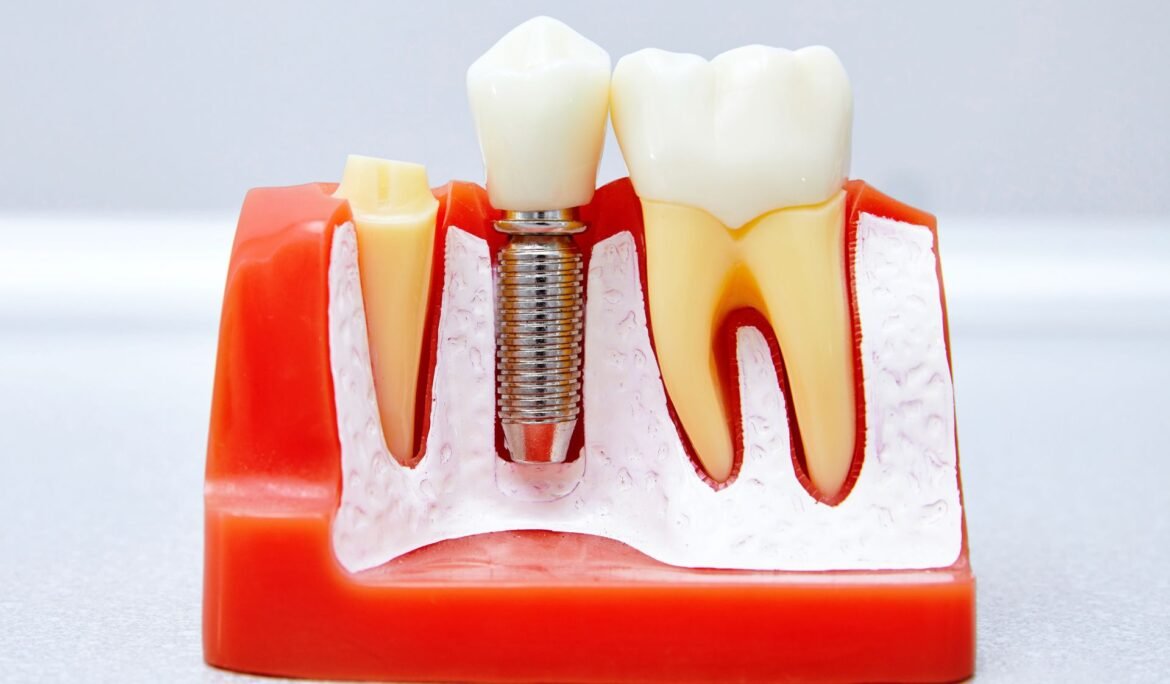
Dental implants are artificial tooth roots made from biocompatible materials such as titanium. They are surgically placed into the jawbone to support replacement teeth, including crowns, bridges, or dentures.
A dental implant typically consists of three parts:
- Implant Post: The titanium screw placed into the jawbone.
- Abutment: The connector between the implant and the crown.
- Dental Crown: The visible tooth-like structure placed on top.
Dental implants are designed to function like natural teeth and provide a stable, durable solution for tooth loss.
For expert implant treatment and advanced dental care, visit Advanced Dental Center & Clinic: https://mmedicalcentre.com/
How Long Do Dental Implants Usually Last?
The implant post itself can last 20 years or more, and in many cases, it may last a lifetime. Studies show that dental implants have a success rate of over 95% when properly maintained.
However, the dental crown attached to the implant may require replacement after 10 to 15 years, depending on wear and tear.
The actual lifespan of implants varies from person to person and depends on several factors, including oral hygiene, lifestyle habits, bone health, and regular dental care.
Factors That Affect Dental Implant Longevity
1. Oral Hygiene Habits
Good oral hygiene is one of the most important factors influencing the lifespan of dental implants.
Although implants cannot develop cavities, the surrounding gums and bone can still become infected. Conditions such as peri-implantitis, an infection around the implant, can lead to implant failure.
To maintain healthy implants:
- Brush twice daily
- Floss regularly
- Use an antibacterial mouthwash
- Visit your dentist for regular cleanings
2. Quality of Bone Support
Dental implants depend on strong and healthy jawbone support. Patients with adequate bone density often experience better long-term success.
Bone loss due to gum disease, missing teeth, or certain medical conditions can affect implant stability.
In some cases, bone grafting procedures may be recommended before implant placement to improve success rates.
3. Smoking and Tobacco Use
Smoking is one of the biggest risk factors for implant failure.
Tobacco reduces blood flow, slows healing, and increases the risk of infection. Studies show that smokers have a higher chance of implant complications compared to non-smokers.
Quitting smoking before and after implant treatment can significantly improve outcomes and increase implant longevity.
4. Teeth Grinding and Clenching
Habitual teeth grinding, also known as bruxism, places excessive pressure on dental implants.
This constant force can damage crowns, loosen components, or affect the surrounding bone.
Patients who grind their teeth may benefit from using a custom night guard to protect both natural teeth and implants.
5. Diet and Lifestyle
A healthy lifestyle contributes to stronger bones and better oral health.
Eating a balanced diet rich in calcium, vitamins, and minerals supports bone health and implant stability.
Avoid chewing hard objects such as ice, pens, or very hard foods, as they may damage implant crowns.
6. Overall Health Conditions
Certain medical conditions can affect implant success, including:
- Uncontrolled diabetes
- Osteoporosis
- Autoimmune disorders
- Severe gum disease
Patients with well-managed health conditions can still achieve excellent implant results with proper planning and care.
7. Experience of the Dental Professional
The expertise of the dental team also plays an important role in implant success.
Accurate planning, advanced imaging, proper implant placement, and high-quality materials all contribute to long-term results.
Choosing an experienced dental clinic helps improve treatment outcomes and patient satisfaction.
Signs That Your Dental Implant Needs Attention
Although implants are highly successful, patients should watch for warning signs, including:
- Pain or discomfort
- Swollen or bleeding gums
- Loose implant or crown
- Difficulty chewing
- Persistent bad taste or bad breath
Early treatment of minor issues can prevent more serious complications.
How to Make Your Dental Implants Last Longer
You can maximize the life of your dental implants by following these simple tips:
Maintain Excellent Oral Hygiene
Brush and floss every day to keep gums healthy.
Visit Your Dentist Regularly
Professional cleanings and check-ups help detect problems early.
Avoid Smoking
Tobacco use significantly reduces implant success.
Protect Against Teeth Grinding
Use a night guard if recommended.
Eat a Healthy Diet
Good nutrition supports bone and gum health.
Follow Your Dentist’s Instructions
Proper care after implant placement ensures successful healing.
Are Dental Implants Worth the Investment?
Dental implants may initially cost more than other tooth replacement options, but their durability and long-term benefits often make them a worthwhile investment.
Benefits include:
- Natural appearance
- Strong chewing ability
- Preservation of jawbone
- Improved speech
- Long-lasting results
- Better comfort compared to removable dentures
Because implants can last for decades, they often provide excellent value over time.