

Oral health is an important part of overall well-being at every age. However, as people grow older, they may experience several dental problems, including missing teeth, gum disease, tooth sensitivity, dry mouth, difficulty chewing, and changes in their bite. These conditions can affect eating habits, speech, confidence, and quality of life.
For senior citizens, regular dental check-ups and timely treatment are essential to maintain healthy teeth and gums. Modern dentistry offers several treatment options that can help older adults restore their smiles, improve chewing ability, and manage age-related dental concerns.
If you are looking for dental treatment for senior citizens in Mohali, this guide explains common dental problems, available treatments, preventive care, and important factors to consider when choosing a dental clinic.
Why Is Dental Care Important for Senior Citizens?
Ageing can bring changes to the teeth, gums, jawbone, and oral tissues. Some people may lose teeth over time, while others may experience gum recession, worn enamel, or problems with existing dental restorations.
Poor oral health can make it difficult to eat nutritious foods, speak comfortably, and maintain daily hygiene. Untreated dental infections may also affect general health, particularly in people managing chronic medical conditions.
Regular dental visits help identify problems at an early stage. A dentist can examine the teeth and gums, check existing crowns or dentures, assess oral hygiene, and recommend appropriate treatment.
Senior citizens should not assume that tooth loss or persistent dental discomfort is a normal and unavoidable part of ageing. Many dental conditions can be treated or managed with appropriate care.
Common Dental Problems in Senior Citizens
Older adults may experience one or more of the following dental concerns.
1. Tooth Loss
Tooth loss is a common concern among older adults. It may occur due to untreated tooth decay, advanced gum disease, dental injuries, or fractures.
Missing teeth can affect chewing efficiency and may cause neighbouring teeth to shift. When several teeth are missing, changes in the bite and facial support may also occur.
Depending on the patient’s oral health, replacement options may include dental implants, fixed dental bridges, or removable dentures.
2. Gum Disease
Gum disease develops when plaque and bacteria accumulate around the teeth and gums. Early gum disease may cause redness, swelling, and bleeding during brushing.
If left untreated, it can progress and damage the tissues and bone supporting the teeth. Advanced gum disease may lead to loose teeth and eventual tooth loss.
Treatment may involve professional cleaning, deep cleaning procedures, improved oral hygiene, and periodontal treatment depending on severity.
3. Dry Mouth
Dry mouth, also known as xerostomia, occurs when the mouth does not produce enough saliva.
It can become more common among older adults, particularly because of certain medications or underlying medical conditions. Saliva helps protect teeth, supports swallowing, and keeps oral tissues comfortable.
Dry mouth may increase the risk of tooth decay, bad breath, oral infections, and difficulty wearing dentures.
A dentist can help identify possible causes and recommend suitable management strategies.
4. Tooth Decay and Root Cavities
Gum recession can expose the roots of teeth. Unlike the crown of a tooth, root surfaces do not have the same protective enamel covering, making them more vulnerable to decay.
Older adults may also develop cavities around existing fillings, crowns, or bridges.
Early diagnosis helps prevent further damage and may allow treatment with dental fillings or other restorative procedures.
5. Worn or Damaged Teeth
Years of chewing, teeth grinding, acidic food exposure, and previous dental problems can contribute to tooth wear.
Some senior citizens may experience chipped teeth, cracks, sensitivity, or difficulty chewing.
Depending on the amount of remaining healthy tooth structure, treatment may include fillings, dental crowns, or other restorative options.
6. Problems With Dentures
People who have worn dentures for several years may notice that they no longer fit comfortably.
Changes in the jawbone and gum tissues can affect denture stability. Loose dentures may cause irritation, difficulty speaking, and problems while eating.
A dentist can examine the fit and recommend denture adjustment, relining, repair, or replacement.
Dental Treatment Options for Senior Citizens in Mohali
Modern dentistry provides different treatment options based on the patient’s oral health, medical history, comfort, and treatment goals.
1. Dental Implants for Missing Teeth
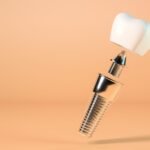
Dental implants are one option for replacing missing teeth. They consist of implant components placed in the jawbone to support replacement teeth such as crowns, bridges, or dentures.
For suitable patients, implants may provide stable support and improve chewing comfort compared with conventional removable dentures.
Senior citizens may be considered for dental implants if they have suitable bone support, healthy or treatable gums, and medical conditions that are appropriately managed.
Age alone does not automatically make someone unsuitable for implant treatment. However, the dentist must carefully assess general health, medications, bone condition, and healing considerations.
Some patients may require additional procedures, such as bone grafting, before implant placement.
2. Complete and Partial Dentures
Dentures are removable appliances used to replace missing teeth.
Complete dentures are designed for patients who have lost all natural teeth in the upper or lower jaw.
Partial dentures replace some missing teeth while using the remaining natural teeth for support.
Modern dentures can be designed to improve appearance, speech, and chewing function. Proper fit is important because poorly fitting dentures may cause sore spots, discomfort, and difficulty eating.
Regular dental check-ups help ensure that dentures remain comfortable as the mouth changes over time.
3. Dental Crowns and Bridges
Dental crowns are restorations that cover damaged or weakened teeth. They may be recommended when a tooth has extensive decay, a large filling, or a fracture that requires additional protection.
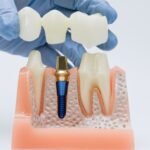
Dental bridges can replace one or more missing teeth by using supporting teeth or, in some cases, dental implants.
These treatments may help restore chewing function and improve the appearance of the smile.
The dentist will assess the condition of the supporting teeth and surrounding gums before recommending a crown or bridge.
4. Root Canal Treatment
A root canal treatment may be needed when the pulp inside a tooth becomes infected or inflamed due to deep decay, cracks, or injury.
During treatment, the dentist removes the affected pulp tissue, cleans and disinfects the root canal system, and seals it. A suitable final restoration, often a crown in cases where substantial tooth structure is lost, may be required.
Root canal treatment can help preserve a natural tooth that might otherwise need extraction.
5. Professional Teeth Cleaning
Professional dental cleaning helps remove plaque and hardened deposits that cannot be removed through routine brushing alone.
It is particularly important for senior citizens who may have gum recession, exposed root surfaces, dental restorations, or difficulty cleaning certain areas.
Patients with gum disease may require more extensive periodontal cleaning rather than routine scaling alone.
The dentist will recommend the appropriate cleaning schedule based on individual gum health.
6. Tooth-Coloured Fillings
Tooth-coloured fillings can be used to restore teeth affected by cavities or minor damage.
They help repair the affected area while maintaining a natural appearance. However, the suitability of a filling depends on the size and location of the cavity and the amount of healthy tooth structure remaining.
For severely weakened teeth, a crown or another restoration may be more appropriate.
7. Gum Disease Treatment
Senior citizens experiencing bleeding gums, gum swelling, persistent bad breath, or loose teeth should seek a dental examination.
Treatment may include professional cleaning, scaling and root planing, periodontal maintenance, or other procedures depending on the condition.
Maintaining gum health is especially important for patients with dental implants because inflammation around implants can lead to complications if left untreated.
Special Dental Care Considerations for Older Adults
Dental treatment for senior citizens requires attention to more than just the teeth. General health, medications, mobility, and comfort can all influence treatment planning.
Managing Existing Medical Conditions
Many older adults may be managing conditions such as diabetes, heart disease, high blood pressure, or osteoporosis.
Before starting dental treatment, patients should provide accurate medical information and a list of current medications.
Certain conditions and medicines may affect bleeding, healing, infection risk, or treatment choices. The dentist may coordinate with the patient’s physician when necessary.
Patients should never stop prescribed medication without advice from their treating doctor.
Medication-Related Oral Problems
Some medicines can contribute to dry mouth, altered taste, gum enlargement, or an increased risk of bleeding.
If you notice persistent dryness, mouth discomfort, or other changes after starting a medication, discuss them with your dentist and physician.
The dentist may suggest saliva substitutes, hydration strategies, preventive fluoride products, or other appropriate measures.
Comfort and Accessibility
Older adults may have difficulty sitting for long periods or travelling frequently for dental appointments.
A suitable treatment plan should consider physical comfort, appointment duration, mobility requirements, and the patient’s ability to maintain oral hygiene at home.
For complex procedures, treatment may be divided into manageable stages.
Tips for Maintaining Oral Hygiene After the Age of 60
Daily oral care is essential for protecting natural teeth, gums, and dental restorations.
Here are some practical recommendations:
- Brush twice daily: Use a soft-bristled toothbrush and fluoride toothpaste.
- Clean between teeth: Use dental floss, interdental brushes, or other cleaning aids recommended by your dentist.
- Clean dentures daily: Remove and clean removable dentures according to your dentist’s instructions.
- Stay hydrated: Drink water regularly, especially if you experience dry mouth.
- Limit frequent sugary snacks: Reduce repeated exposure to sugary foods and drinks.
- Avoid tobacco: Smoking and chewing tobacco can increase the risk of gum disease and oral cancer.
- Attend regular dental check-ups: Do not wait until pain develops before visiting a dentist.
- Report unusual symptoms: Persistent ulcers, lumps, bleeding, or difficulty swallowing should be assessed promptly.
If arthritis or reduced hand movement makes brushing difficult, an electric toothbrush or adapted toothbrush handle may make daily cleaning easier.
Warning Signs Senior Citizens Should Never Ignore
Certain dental symptoms require professional attention rather than home remedies.
Consult a dentist if you experience:
- Persistent toothache or sensitivity
- Bleeding or swollen gums
- Loose natural teeth
- Dentures causing repeated sores
- Swelling around the face or jaw
- Difficulty chewing or swallowing
- Persistent bad breath
- Mouth ulcers that do not heal within two weeks
- White or red patches inside the mouth
- A lump or unusual change in oral tissues
Facial swelling accompanied by fever, difficulty swallowing, or difficulty breathing requires urgent medical or dental attention. Difficulty breathing is an emergency.
Early evaluation can help identify the cause and prevent some problems from becoming more complicated.
How Often Should Senior Citizens Visit a Dentist?
The ideal dental visit frequency depends on the patient’s oral health and risk factors.
Many people benefit from a dental examination every six months. However, patients with gum disease, frequent cavities, dry mouth, complex restorations, or dental implants may need more frequent follow-up visits.
During these appointments, the dentist may check:
- Teeth for decay and cracks
- Gums for inflammation and recession
- Existing fillings, crowns, and bridges
- Denture fit and condition
- Dental implants and surrounding tissues
- Signs of oral infections or suspicious tissue changes
Your dentist can recommend an appropriate schedule based on your individual needs.
How to Choose the Right Dental Clinic for Senior Citizens in Mohali
Choosing a dental clinic is an important decision, particularly for older adults who may require multiple treatments or long-term maintenance.
Consider the following factors before selecting a clinic:
Experienced dental professionals: Look for qualified dentists who can evaluate age-related dental concerns and explain treatment options clearly.
Comprehensive treatment options: A clinic offering preventive, restorative, periodontal, and tooth replacement services can help coordinate different aspects of dental care.
Proper diagnostic facilities: Appropriate X-rays and other diagnostic investigations can support accurate treatment planning.
Hygiene and sterilisation: Infection-control standards are essential for every dental procedure.
Transparent treatment planning: The dentist should explain the benefits, limitations, possible risks, estimated costs, and alternatives before treatment begins.
Comfortable appointments: Consider whether the clinic can accommodate mobility needs and plan appointments according to the patient’s comfort.
At Advanced Dental Center & Clinic, senior citizens can discuss their dental concerns and explore suitable treatment options based on their individual oral health requirements.
For additional healthcare information and related services, you can also visit M Medical Centre.
Frequently Asked Questions
1. Can senior citizens get dental implants?
Yes. Many senior citizens may be suitable candidates for dental implants. Suitability depends on bone condition, gum health, medical history, medications, and healing capacity rather than age alone.
2. Are dentures better than dental implants for older adults?
Both options have advantages and limitations. Dentures are removable and may be suitable for patients who prefer a non-surgical option. Dental implants can provide stable support but require surgery and appropriate follow-up care. A dentist can help compare the options.
3. Is root canal treatment safe for senior citizens?
Root canal treatment can be performed in older adults when clinically appropriate. The dentist considers general health, medications, and the condition of the affected tooth before recommending treatment.
4. Why do older adults experience dry mouth?
Dry mouth may be associated with medications, medical conditions, dehydration, or other factors. A dental examination can help identify possible causes and recommend suitable management.
5. How can senior citizens maintain healthy gums?
Brushing twice daily, cleaning between teeth, avoiding tobacco, managing medical conditions, and attending regular dental visits can help maintain gum health.
6. How much does dental treatment cost in Mohali?
The cost depends on the type of treatment, number of teeth involved, materials, diagnostic requirements, and case complexity. A dental examination is necessary to prepare an accurate estimate.
7. Can loose teeth be saved in older adults?
Sometimes. The possibility of saving a loose tooth depends on the cause and extent of damage. Gum treatment, bite correction, or other procedures may help in selected cases. Severely damaged teeth may require extraction.
Conclusion
Good oral health is essential for senior citizens to maintain comfort, nutrition, confidence, and overall quality of life. Missing teeth, gum disease, dry mouth, cavities, and denture problems should not be ignored simply because they are associated with ageing.
Modern dental treatments, including dental implants, dentures, crowns, bridges, root canal treatment, and gum care, can help older adults manage many dental concerns.
If you are looking for dental treatment for senior citizens in Mohali, a professional dental examination is the best starting point. The right treatment plan should consider oral health, medical history, comfort, and long-term maintenance.
Visit Advanced Dental Center & Clinic
Address: 52, Gian Jyoti Road, Phase 2, Sector 54, Sahibzada Ajit Singh Nagar, Mohali, Punjab 160055.
Schedule a dental consultation to discuss suitable treatment options and maintain a healthy, comfortable smile at every age.