








Many people use removable dentures for several years to replace missing teeth. Dentures can help restore basic chewing ability, improve speech, and support facial appearance. However, over time, some denture wearers may experience problems such as loose-fitting dentures, difficulty eating certain foods, gum irritation, and reduced confidence while speaking or smiling.
This often leads to an important question: Can you get dental implants after wearing dentures for many years?
The answer is yes. Many people who have worn dentures for a long time may still be suitable candidates for dental implants. However, the possibility of treatment depends on factors such as jawbone condition, gum health, medical history, and overall oral health.
If you are considering Dental Implants in Mohali, this guide explains how implants can help long-term denture wearers, what challenges may arise, which treatment options are available, and what to expect during the process.
What Are Dental Implants?
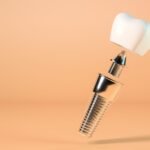
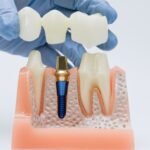
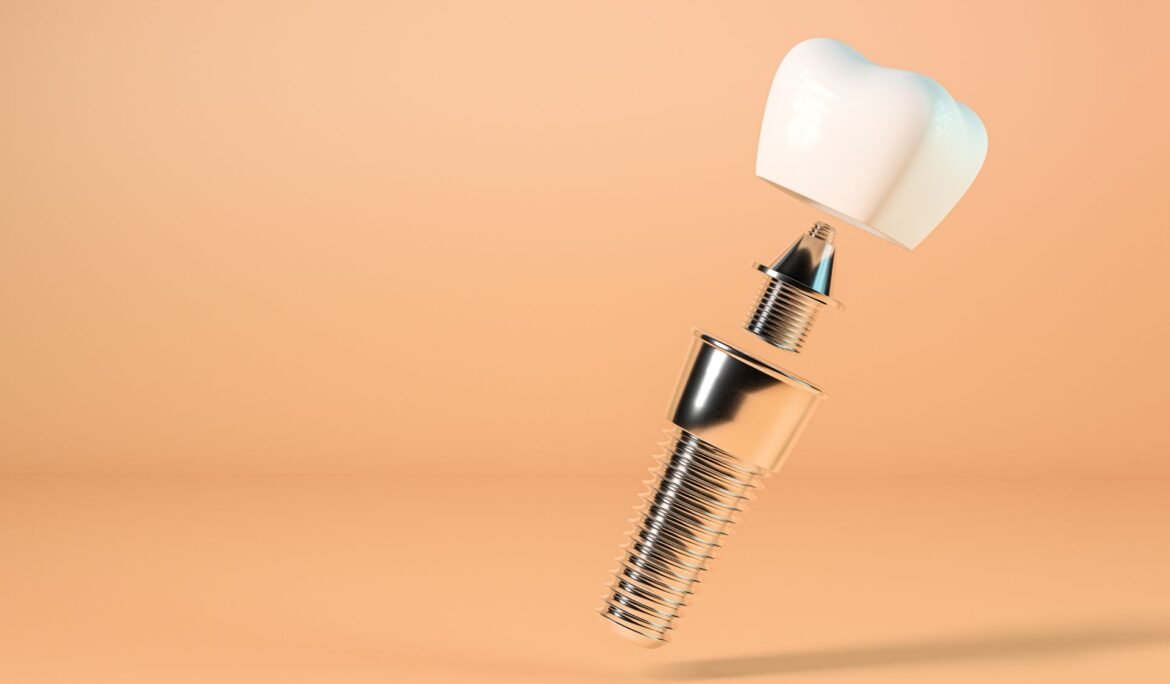
Dental implants are medical-grade components, commonly made from titanium or other suitable materials, that are placed into the jawbone to support replacement teeth.
After placement, the implant gradually integrates with the surrounding bone through a biological process called osseointegration. Once adequate healing and stability are achieved, the implant can support a dental crown, bridge, or denture.
Unlike conventional removable dentures, implant-supported restorations receive support from implants placed in the jawbone. Depending on the design, they may provide improved stability and chewing comfort.
Dental implants can be used to replace:
- A single missing tooth
- Several missing teeth
- Most or all teeth in the upper or lower jaw
- A complete set of teeth using an implant-supported restoration
The appropriate option depends on the patient’s clinical condition and treatment goals.
Can You Get Dental Implants After Wearing Dentures for Many Years?
Yes. Wearing dentures for 5, 10, 15, or even more years does not automatically prevent someone from receiving dental implants.
However, long-term tooth loss can lead to changes in the jawbone. When natural tooth roots are no longer present, the underlying bone may gradually lose volume because it no longer receives normal stimulation from those roots.
This process is known as bone resorption.
As a result, some long-term denture wearers may have less bone available for implant placement. The amount of bone loss varies from person to person and depends on several factors, including the duration of tooth loss, previous infections, anatomy, and individual biological changes.
A dentist needs to examine the jawbone and surrounding tissues before determining whether implants can be placed directly or whether additional procedures are required.
Why Does Jawbone Loss Occur After Tooth Loss?
Natural tooth roots transmit forces to the jawbone during chewing. These forces help maintain the bone that supports the teeth.
After teeth are removed, the bone in those areas begins to remodel. In some patients, this leads to a gradual reduction in bone height and width.
Long-term denture wearers may experience:
- Reduced jawbone height
- Narrower jaw ridges
- Changes in gum and soft tissue contours
- Reduced support for conventional dentures
- Changes in facial appearance
- Difficulty achieving a stable denture fit
The lower jaw can be particularly challenging in some patients because the available bone may become significantly reduced over time.
However, bone loss does not mean dental implants are impossible. Modern implant planning and bone augmentation techniques may help selected patients become suitable candidates.
Signs That Your Dentures May Need an Alternative
Conventional dentures can work well for many people. However, if you have been wearing them for several years, you may notice changes that indicate a need for reassessment.
1. Loose or Poorly Fitting Dentures
If your dentures move while speaking, laughing, or eating, they may no longer fit the changing shape of your gums and jawbone.
2. Difficulty Chewing Food
Some denture wearers avoid hard, crunchy, or chewy foods because their dentures shift or cause discomfort.
3. Frequent Gum Irritation
Repeated rubbing from poorly fitting dentures may cause sore spots, redness, and irritation.
4. Difficulty Speaking Comfortably
Dentures that move during speech may affect pronunciation and make some people feel self-conscious.
5. Frequent Denture Adjustments
If your dentures require repeated adjustments, relining, or adhesive use to remain stable, it may be worth discussing other tooth replacement options with your dentist.
6. Changes in Facial Appearance
Significant jawbone changes can affect the support provided to the lips and cheeks. This may contribute to a sunken appearance in some long-term denture wearers.
These symptoms do not automatically mean you need implants, but they are good reasons to arrange a dental evaluation.
How Dentists Check Whether Long-Term Denture Wearers Are Suitable for Implants
Before recommending dental implants, the dentist performs a detailed assessment.
1. Review of Medical and Dental History
The dentist asks about your medical conditions, medications, previous dental procedures, smoking habits, and general health.
Conditions such as diabetes, certain bone-related disorders, and a history of radiation therapy may influence treatment planning. Some medications can also affect healing or surgical considerations.
Having a medical condition does not automatically rule out implant treatment. The dentist may recommend additional precautions or consultation with your physician.
2. Examination of the Gums and Jaw
The dentist examines the gum tissues, jaw ridge, available space, and oral hygiene.
The assessment helps identify areas of inflammation, infection, tissue changes, and possible challenges for implant placement.
3. Dental X-Rays and CBCT Imaging
Dental X-rays may provide useful information about the jawbone and surrounding structures.
A CBCT scan may be recommended when three-dimensional information is required. It can help assess bone height and width and identify important anatomical structures, including nerves and sinus spaces.
Not every patient requires CBCT imaging. The dentist recommends it when the additional information is clinically useful.
4. Evaluation of Bite and Restoration Requirements
The dentist also considers how the replacement teeth will function.
The number and position of implants depend on the planned restoration, available bone, bite forces, and the patient’s overall oral condition.
What If You Have Lost Too Much Jawbone?
One of the biggest concerns for people who have worn dentures for many years is insufficient jawbone.
Fortunately, some patients with reduced bone volume may still be considered for dental implant treatment.
Depending on the clinical findings, the dentist may discuss the following procedures.
Bone Grafting
Bone grafting involves adding or supporting bone material in an area where additional volume is required.
It may be recommended when the jawbone is too narrow or too short for the planned implant placement.
The grafted area needs time to heal and integrate before or alongside implant placement, depending on the treatment approach.
Sinus Lift Procedure
In some patients, the upper back jaw does not have enough bone height because of the position of the sinus.
A sinus lift, also called sinus augmentation, may be recommended to create additional bone support in selected cases.
Alternative Implant Positions or Designs
Some patients may be suitable for different implant positions or specialised implant treatment approaches.
The choice depends on the anatomy, available bone, and restoration requirements. These approaches are not suitable for everyone and require careful planning by an appropriately trained dental professional.
Dental Implant Options for Long-Term Denture Wearers
The right treatment depends on how many teeth are missing, the amount of available bone, and whether the patient wants a removable or fixed restoration.
1. Implant-Supported Overdentures
An implant-supported overdenture is a removable denture that attaches to dental implants using specialised connectors.
It may provide improved stability compared with a conventional denture, particularly for patients who struggle with movement of their lower dentures.
The denture can usually be removed for cleaning and maintenance.
2. Fixed Full-Arch Implant Restoration
A fixed full-arch restoration is designed to replace most or all teeth in an upper or lower jaw.
It is supported by strategically placed dental implants and is generally not removed by the patient for daily cleaning.
The number of implants and the restoration design depend on bone availability, bite forces, and the clinical treatment plan.
3. Implant-Supported Bridges
For patients who have several missing teeth in a particular area, implants may support a bridge that replaces multiple teeth.
This option can reduce the need for an individual implant for every missing tooth, depending on the case.
4. Single Dental Implants
If only one or a few teeth are missing while other natural teeth remain, individual implants may be considered.
The dentist evaluates the surrounding teeth, bone condition, and spacing before recommending this approach.
What Is the Procedure for Getting Implants After Wearing Dentures?
Although every case is different, the treatment process generally involves several stages.
Step 1: Initial consultation
The dentist discusses your concerns, reviews your medical history, examines your mouth, and assesses your current dentures.
Step 2: Diagnostic assessment
Appropriate dental imaging is performed to evaluate bone availability and plan implant positions.
Step 3: Treatment planning
The dentist explains whether you need individual implants, an implant-supported overdenture, a fixed full-arch restoration, or additional procedures such as bone grafting.
Step 4: Preparatory treatment
If there are gum infections, oral health problems, or other conditions that need attention, they may be treated before implant placement.
Step 5: Implant placement
The implants are placed into the jawbone under appropriate anaesthesia. The procedure depends on the number of implants and the complexity of the case.
Step 6: Healing and integration
The implants require time to integrate with the surrounding bone. This process is called osseointegration.
Step 7: Final restoration
Once the dentist confirms adequate healing and stability, the planned denture, bridge, or crown is attached.
In selected cases, temporary or immediate restorations may be possible. However, this depends on implant stability, bone quality, bite forces, and other clinical factors.
Can You Continue Wearing Your Old Dentures During Implant Treatment?
In many cases, patients can use their existing dentures temporarily while their implants heal.
However, the dentures may need modification to avoid putting excessive pressure on the surgical area.
Depending on the treatment plan, the dentist may recommend:
- Adjusting the existing denture
- Relining the denture
- Providing a temporary denture
- Using a temporary implant-supported restoration when clinically appropriate
Patients should not continue wearing an uncomfortable or poorly fitting denture without professional assessment, especially after implant surgery.
Benefits of Dental Implants for Long-Term Denture Wearers
For suitable patients, dental implants may offer several advantages.
Improved Stability
Implant-supported restorations can reduce unwanted movement compared with conventional dentures, depending on the design.
Better Chewing Comfort
A more stable tooth replacement may help patients chew a wider variety of foods comfortably.
Support for Jawbone Function
Implants transfer functional forces to the surrounding bone. However, they do not guarantee that all existing bone loss will be reversed or prevent every future change.
Improved Confidence
Patients who experience denture movement may feel more comfortable speaking, smiling, and socialising with a stable implant-supported restoration.
Different Tooth Replacement Choices
Implants can support removable overdentures, fixed bridges, and full-arch restorations, allowing treatment to be planned according to individual needs.
Are Dental Implants Suitable for Every Long-Term Denture Wearer?
No. Although many long-term denture wearers may be candidates, implants are not appropriate for everyone.
Factors that may require additional assessment include:
- Severe jawbone loss
- Active gum disease or oral infection
- Poorly controlled diabetes
- Certain medications affecting bone healing
- Heavy smoking or tobacco use
- Medical conditions that increase surgical risks
- Difficulty maintaining proper oral hygiene
Some patients may need preliminary treatment, medical coordination, or alternative tooth replacement options.
The final decision should always be based on a professional examination and an individualised treatment plan.
How Much Do Dental Implants Cost in Mohali?
The cost of dental implants in Mohali varies depending on the patient’s treatment requirements.
Important cost factors include:
- Number of implants required
- Type and brand of implant system
- Bone grafting or sinus lift procedures
- Type of final restoration
- Temporary teeth, if required
- Diagnostic scans and investigations
- Complexity of surgery
- Follow-up and maintenance requirements
An implant-supported overdenture and a fixed full-arch restoration may have different costs because their designs and treatment requirements are different.
Patients should request a written estimate that clearly explains what is included, such as implant placement, abutments, temporary restorations, final teeth, and any additional procedures.
A detailed consultation is necessary to provide a realistic treatment estimate.
How to Maintain Dental Implants After Treatment
Dental implants require regular care even though the replacement teeth are not natural teeth.
Good maintenance helps protect the surrounding gums and tissues.
Follow these recommendations:
- Brush twice daily using a suitable toothbrush.
- Clean around implants with recommended interdental brushes or floss.
- Use a water flosser if advised by your dentist.
- Avoid smoking and tobacco products.
- Attend regular dental check-ups.
- Follow professional cleaning and maintenance instructions.
- Report bleeding, swelling, discomfort, or movement of the restoration promptly.
A condition called peri-implantitis can affect the tissues and bone around dental implants. Early assessment is important if symptoms develop.
Frequently Asked Questions
1. Can I get dental implants after wearing dentures for 10 or 15 years?
Yes. Many people can receive dental implants after wearing dentures for 10 or 15 years. The dentist must first assess the jawbone, gum health, medical history, and available treatment options.
2. Does wearing dentures for many years cause bone loss?
The jawbone can gradually lose volume after natural teeth are removed. This happens because the tooth roots are no longer present to provide normal stimulation. Long-term denture wearers may therefore have reduced bone support.
3. Can dental implants be placed if I have very little bone?
Some patients with reduced bone may be considered for bone grafting, sinus augmentation, or other specialised treatment approaches. Suitability depends on the amount and location of available bone.
4. Do I need to stop wearing dentures before getting implants?
Not necessarily. You may be able to continue using your dentures during parts of the treatment process. Your dentist may need to adjust or modify them to ensure comfort and avoid pressure on healing areas.
5. Are implant-supported dentures removable?
Yes. Implant-supported overdentures are designed to be removed for cleaning. Fixed implant-supported restorations, on the other hand, are generally not removed by the patient.
6. Is dental implant treatment painful?
Implant placement is generally performed under local anaesthesia, so pain during the procedure is controlled. Some discomfort, swelling, or tenderness may occur afterward. Your dentist will explain appropriate aftercare.
7. How long do dental implants last?
Dental implants can function for many years, but their longevity depends on oral hygiene, general health, bite forces, smoking habits, and regular professional maintenance. The implant-supported crown or denture may require repair or replacement over time.
Conclusion
Wearing dentures for many years does not automatically mean you have missed the opportunity to receive dental implants. Many long-term denture wearers can still be considered for implant treatment, even when some jawbone loss has occurred.
Modern treatment options such as bone grafting, implant-supported overdentures, and fixed full-arch restorations may help suitable patients improve denture stability and restore chewing function.
If you are considering Dental Implants in Mohali, the first step is a detailed consultation. A dentist can assess your jawbone, review your medical history, examine your existing dentures, and recommend the most appropriate treatment options.
Visit Advanced Dental Center & Clinic
Address: 52, Gian Jyoti Road, Phase 2, Sector 54, Sahibzada Ajit Singh Nagar, Mohali, Punjab 160055.
Book a dental consultation to explore whether dental implants may be suitable for you and take an informed step towards a more stable, comfortable smile.
For additional healthcare information, visit M Medical Centre.