




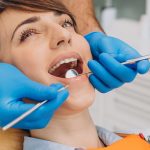


A beautiful smile is not limited to any particular age. However, as people grow older, natural changes in their teeth, gums, and facial structures can affect the appearance and function of their smile. Teeth may become darker, enamel may wear down, gums may recede, and old dental restorations may lose their original appearance. These changes can make some people feel less confident about smiling.
Smile design for mature adults focuses on improving the appearance of the smile while considering oral health, comfort, facial proportions, and long-term dental function. Depending on individual needs, treatment may include professional teeth whitening, dental veneers, crowns, gum treatment, dental implants, or other restorative procedures.
For people considering smile design in Mohali, understanding the available options can help them make informed decisions and choose treatments that suit their dental condition and personal goals.
What Is Smile Design?
Smile design is a personalized approach to improving the appearance of the teeth and gums. It considers factors such as tooth shape, colour, alignment, gum contours, facial proportions, and the way the upper and lower teeth meet.
For mature adults, smile design often involves more than cosmetic improvements. The dentist may need to address worn enamel, weakened teeth, missing teeth, gum disease, or older fillings and crowns before recommending aesthetic procedures.
The objective is to create a natural-looking smile that complements the person’s facial features while maintaining healthy oral function. Not every patient needs extensive treatment; sometimes, a few carefully selected procedures can make a meaningful difference.
How Does Age Affect the Appearance of Your Smile?
Age-related dental changes develop gradually and can vary from person to person. Lifestyle habits, oral hygiene, genetics, diet, medication use, and previous dental treatment can all influence how the teeth and gums change over time.
1. Yellowing and Darkening of Teeth
Teeth may appear darker as the enamel gradually wears and the underlying dentine becomes more visible. Coffee, tea, tobacco, and certain foods can also contribute to staining.
Professional teeth whitening may improve some types of discolouration. However, crowns, veneers, and fillings do not whiten in the same way as natural teeth. A dental examination helps determine the most appropriate option.
2. Worn, Shortened, or Chipped Teeth
Years of chewing, tooth grinding, and exposure to acids can gradually wear down enamel. Teeth may look shorter, flatter, or uneven, while small chips can affect the symmetry of the smile.
Depending on the amount of remaining tooth structure, treatment may involve composite bonding, onlays, or dental crowns. The dentist should also assess the cause of excessive wear to help prevent further damage.
3. Receding Gums and Exposed Tooth Roots
Gum recession can expose the roots of teeth, making them appear longer and sometimes increasing sensitivity. Recession may be associated with gum disease, brushing habits, tooth position, or other factors.
Treating active gum disease and improving oral hygiene are important first steps. In selected cases, periodontal treatment may help address recession or improve gum contours.
4. Missing Teeth and Changes in Facial Support
Missing teeth can affect chewing, speech, and the stability of neighbouring teeth. Over time, tooth loss and changes in the jawbone may also affect the support provided to the lower face.
Dental implants, bridges, and dentures may help restore missing teeth. The most appropriate solution depends on bone support, gum health, the condition of surrounding teeth, and the patient’s overall dental needs.
5. Old Fillings, Crowns, and Veneers
Older dental restorations may become worn, chipped, discoloured, or poorly fitted. Sometimes, a restoration remains functional and does not need replacement simply because it is old.
A dentist can evaluate its condition and recommend repair or replacement when clinically necessary. Maintaining healthy natural tooth structure should remain a priority.
Treatment Options for Smile Design in Mature Adults
The right treatment depends on the patient’s oral health, aesthetic expectations, and budget. A personalized plan may combine one or more of the following procedures.
1. Professional Teeth Whitening
Professional whitening may be suitable for mature adults whose primary concern is stained or yellow teeth. The dentist first checks for cavities, gum problems, exposed roots, and sensitivity that could affect treatment.
Whitening can improve the colour of natural teeth, but results vary according to the cause and severity of discolouration. Patients with deep internal stains may need alternative options, and existing restorations may require separate aesthetic planning.
2. Dental Veneers
Dental veneers are thin coverings bonded to the front surfaces of selected teeth. They may improve the appearance of discolouration, minor chips, uneven edges, and certain shape irregularities.
Veneers can be made from materials such as porcelain or composite resin. Suitability depends on enamel condition, bite alignment, gum health, and the amount of tooth preparation required. Veneers are not appropriate for every patient, especially when teeth are severely weakened or untreated gum disease is present.
3. Composite Bonding
Composite bonding uses tooth-coloured resin to repair small chips, close selected gaps, or reshape uneven tooth edges. It may be a conservative option when only minor changes are needed.
Bonding often requires less removal of natural tooth structure than some other cosmetic treatments. However, the material can stain, chip, or wear over time and may need maintenance.
4. Dental Crowns for Worn or Damaged Teeth
A dental crown covers a tooth to restore its shape, strength, and appearance. Crowns may be recommended for teeth with extensive decay, significant fractures, or substantial structural damage.
The choice of material depends on the tooth’s position, bite forces, aesthetic requirements, and clinical condition. A crown should not be used solely for cosmetic reasons when a more conservative treatment would adequately protect the tooth.
5. Dental Implants and Tooth Replacement
When teeth are missing, dental implants may provide support for replacement teeth. Bridges and dentures are alternative options for appropriate cases.
Before implant treatment, the dentist assesses the gums, jawbone, bite, and relevant medical history. Some patients may need additional procedures before an implant can be placed. Implant treatment also requires ongoing cleaning and professional maintenance.
6. Gum Contouring and Periodontal Care
The appearance of the gums can influence how balanced a smile looks. In selected cases, gum contouring may help improve uneven gum margins. However, the dentist must first distinguish between excess gum tissue, gum recession, and inflammation.
For patients with gum disease, periodontal treatment should take priority over elective cosmetic procedures. Healthy gum tissues provide an important foundation for long-lasting dental work.
7. Orthodontic Treatment
Mature adults can also consider orthodontic treatment to address crowding, spacing, and certain bite problems. Options may include traditional braces or clear aligners, depending on the complexity of the case.
An orthodontic assessment is especially important when teeth have shifted over time or when cosmetic restorations are being considered. Improving alignment first may reduce the need for unnecessary tooth preparation.
What Should Mature Adults Consider Before Smile Design?
Before starting treatment, it is important to evaluate oral health rather than focus only on appearance. The dentist may recommend X-rays, gum assessment, bite analysis, and photographs to support treatment planning.
Consider asking the following questions:
- Which treatments are necessary for oral health, and which are optional cosmetic improvements?
- Can the desired result be achieved while preserving natural tooth structure?
- What are the benefits, limitations, and risks of each option?
- How long will treatment take, and will temporary restorations be needed?
- What maintenance will be required?
- What is the estimated cost, including future repairs or replacement?
Patients should also share information about tooth grinding, sensitivity, dry mouth, existing medical conditions, and medications that may affect oral health. These factors can influence treatment selection and long-term outcomes.
How to Maintain Your Smile After Treatment
Good oral hygiene is essential for maintaining the results of smile design. Brush twice daily with fluoride toothpaste, clean between the teeth every day, and attend regular dental check-ups.
Patients with crowns, veneers, bridges, or implants should follow specific cleaning instructions provided by their dentist. People who grind their teeth may benefit from a professionally fitted night guard.
Avoid biting hard objects and address problems such as gum bleeding, persistent sensitivity, or a loose restoration promptly. Regular maintenance can help protect both natural teeth and dental restorations.
Choosing a Dental Clinic for Smile Design in Mohali
When considering smile design in Mohali, choose a dental clinic that offers a comprehensive examination, explains treatment alternatives, and develops a plan based on your individual needs.
A suitable treatment plan should balance aesthetics with chewing function, gum health, comfort, and long-term maintenance. Patients can also explore general healthcare information through M Medical Centre, while consulting a qualified dental professional for advice specific to their teeth and gums.
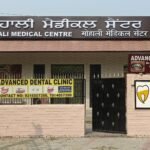
At Advanced Dental Center & Clinic, located at 52, Gian Jyoti Road, Phase 2, Sector 54, Sahibzada Ajit Singh Nagar, Mohali, Punjab 160055, patients can seek a dental assessment to discuss their concerns and explore appropriate treatment options.