

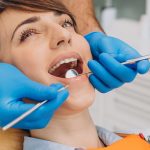

A healthy smile plays an important role in chewing, speaking, facial appearance, and overall oral health. However, multiple dental problems, such as missing teeth, severely worn enamel, damaged teeth, gum disease, and bite misalignment, can affect both the function and appearance of a smile. When several of these issues occur together, Full Mouth Rehabilitation in Mohali may be an appropriate treatment option.
Full mouth rehabilitation is a personalized dental treatment approach that aims to restore the health, strength, function, and appearance of the teeth and supporting oral structures. Depending on a patient’s condition, the treatment may involve dental crowns, bridges, implants, fillings, root canal treatment, gum therapy, or orthodontic procedures.
Understanding the available treatment options and the steps involved can help patients make informed decisions about their dental care.
What Is Full Mouth Rehabilitation?
Full mouth rehabilitation, also known as full mouth reconstruction, involves planning and combining multiple dental procedures to address extensive oral health concerns. Unlike a routine dental check-up or a single cosmetic procedure, this approach considers the condition of the entire mouth.
The dentist evaluates the teeth, gums, jaw relationship, bite, and existing dental restorations before recommending a treatment plan. The main objective is to improve oral function while protecting the remaining natural teeth and creating a balanced, comfortable bite.
Full mouth rehabilitation may be recommended for people who have several missing teeth, extensive decay, advanced tooth wear, damaged restorations, or difficulty chewing because of dental problems.
Who May Need Full Mouth Rehabilitation?
Not everyone with a damaged or missing tooth requires full mouth rehabilitation. However, patients experiencing multiple dental concerns may benefit from a comprehensive assessment.
Common situations include:
- Multiple missing teeth: Missing teeth can affect chewing and allow neighbouring teeth to shift.
- Severely worn teeth: Grinding, acid erosion, and long-term wear can reduce tooth structure.
- Extensive tooth decay: Several teeth may require fillings, crowns, or root canal treatment.
- Damaged or fractured teeth: Injuries and weakened teeth can affect comfort and function.
- Bite problems: An uneven bite may contribute to discomfort, tooth wear, or difficulty chewing.
- Advanced gum disease: Gum problems may compromise the support around natural teeth.
- Old or failing dental restorations: Worn crowns, bridges, and fillings may need replacement.
A dental examination is necessary to determine whether full mouth rehabilitation is suitable or if a smaller number of targeted treatments would be sufficient.
Treatment Options for Full Mouth Rehabilitation in Mohali
The treatment plan depends on the patient’s oral health, remaining tooth structure, gum condition, and personal goals. Several procedures may be combined to achieve a functional and stable result.
1. Dental Crowns
Dental crowns cover and protect teeth that are extensively damaged, weakened, or restored after root canal treatment. They can restore the tooth’s shape, strength, and appearance.
Crowns may be made from materials such as zirconia, ceramic, or other dental-grade materials. The dentist recommends the appropriate option based on the tooth’s location, bite forces, aesthetic requirements, and clinical condition.
2. Dental Implants
Dental implants are used to replace missing teeth by placing a small implant fixture in the jawbone. After healing and integration with the bone, a crown, bridge, or other restoration may be attached.
Implants can help restore chewing function and provide a fixed replacement option for suitable patients. However, adequate bone support, healthy gums, and appropriate general health are important considerations. Some patients may require additional procedures, such as bone grafting, before implant placement.
3. Dental Bridges
A dental bridge replaces one or more missing teeth by supporting artificial teeth with neighbouring teeth or other appropriate dental supports.
Bridges may be considered when implants are unsuitable or when the surrounding teeth also require crowns. The dentist evaluates the health and strength of the supporting teeth before recommending this treatment.
4. Root Canal Treatment
When decay, injury, or infection affects the inner pulp of a tooth, root canal treatment may help preserve the natural tooth. The infected or damaged tissue is removed, and the root canal system is cleaned and sealed.
Depending on how much tooth structure remains, a crown may be recommended afterward to protect the treated tooth from fracture.
5. Fillings and Other Restorations
Teeth with smaller cavities or limited structural damage may be restored using tooth-coloured fillings or other conservative restorations. The aim is to preserve as much healthy natural tooth structure as possible.
For some teeth with larger areas of damage, an inlay or onlay may provide an alternative to a full crown, depending on the clinical findings.
6. Gum Disease Treatment
Healthy gums are essential for the long-term success of dental restorations. If gum disease is present, treatment may include professional cleaning, deep cleaning, improved home-care techniques, and ongoing periodontal maintenance.
More advanced gum conditions may require specialist periodontal care. Addressing gum disease before placing certain restorations can help create a healthier foundation for treatment.
7. Bite Correction and Cosmetic Procedures
Some patients need treatment to improve the way their upper and lower teeth meet. Depending on the problem, this may involve orthodontic treatment, carefully planned restorations, or other approaches.
Cosmetic procedures, such as veneers or professional teeth whitening, may also be considered when appropriate. However, appearance-related treatments should be planned around the patient’s oral health and functional needs.
What to Expect During Full Mouth Rehabilitation
Full mouth rehabilitation usually takes place in stages rather than during a single appointment. The timeline varies according to the complexity of the case and the procedures required.
Step 1: Comprehensive Dental Examination
The process begins with an assessment of the teeth, gums, bite, and jaw function. The dentist discusses symptoms, previous dental treatment, medical history, and the patient’s concerns.
Dental X-rays or other diagnostic records may be recommended to evaluate the roots, bone support, and hidden dental problems.
Step 2: Personalized Treatment Planning
After the examination, the dentist explains the findings and outlines suitable treatment options. The plan may prioritize urgent issues, such as infection or active gum disease, before moving on to restorative or cosmetic procedures.
Patients should ask about the benefits, limitations, expected number of visits, alternatives, and estimated costs of each recommended procedure.
Step 3: Preparation and Initial Treatment
The first treatment phase may involve managing infections, treating gum disease, removing decay, or performing root canal treatment. Teeth that cannot be predictably restored may require extraction after careful evaluation.
Where necessary, temporary restorations may be provided to protect teeth or help assess the proposed bite and appearance.
Step 4: Restorative Procedures
Once the mouth is ready for restorative treatment, the dentist may place fillings, crowns, bridges, or implants according to the plan. Some procedures require several visits, while implant treatment may involve a healing period before the final restoration can be attached.
The dentist checks the fit, comfort, appearance, and bite of the restorations throughout the process.
Step 5: Follow-Up and Maintenance
After treatment, follow-up appointments help the dentist assess healing and ensure that the restorations function properly. Patients may need professional cleaning and periodic examinations to maintain their results.
Daily brushing, cleaning between the teeth, and following the dentist’s instructions are essential for long-term oral health.
How Much Does Full Mouth Rehabilitation Cost in Mohali?
The cost of full mouth rehabilitation varies considerably because each patient requires a different combination of procedures. Factors affecting the overall cost include the number of teeth involved, the choice of restorative materials, the need for dental implants, the condition of the gums and jawbone, and the complexity of bite correction.
Additional procedures, such as bone grafting or specialist gum treatment, may also influence the total expense.
Patients seeking full mouth rehabilitation in Mohali should request a written treatment plan with an itemized estimate. If several treatment stages are needed, ask whether the plan can be organized according to clinical priority and budget. The least expensive option is not always the most suitable; long-term function, durability, maintenance, and the preservation of natural teeth should also be considered.
How to Maintain Results After Treatment
Good home care and regular professional monitoring are important after full mouth rehabilitation. Patients should brush twice daily with fluoride toothpaste, clean between their teeth every day, and attend dental appointments at the intervals recommended by their dentist.
People who grind or clench their teeth may benefit from an appropriately fitted night guard. Patients with implants, bridges, or extensive restorations should also learn the correct cleaning methods for their specific dental work.
Avoid using teeth to open packages or bite hard objects, and seek advice if a restoration feels loose, the bite changes, or persistent discomfort develops.
Choosing a Dental Clinic for Full Mouth Rehabilitation in Mohali
When choosing a dental clinic, look for a comprehensive examination, clear communication, transparent cost estimates, and a treatment plan that explains both immediate needs and long-term maintenance.
Ask how the dentist will coordinate different procedures, what alternatives are available, and how progress will be reviewed. A good treatment plan should be based on clinical findings rather than cosmetic goals alone.
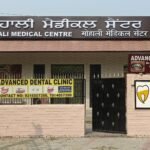
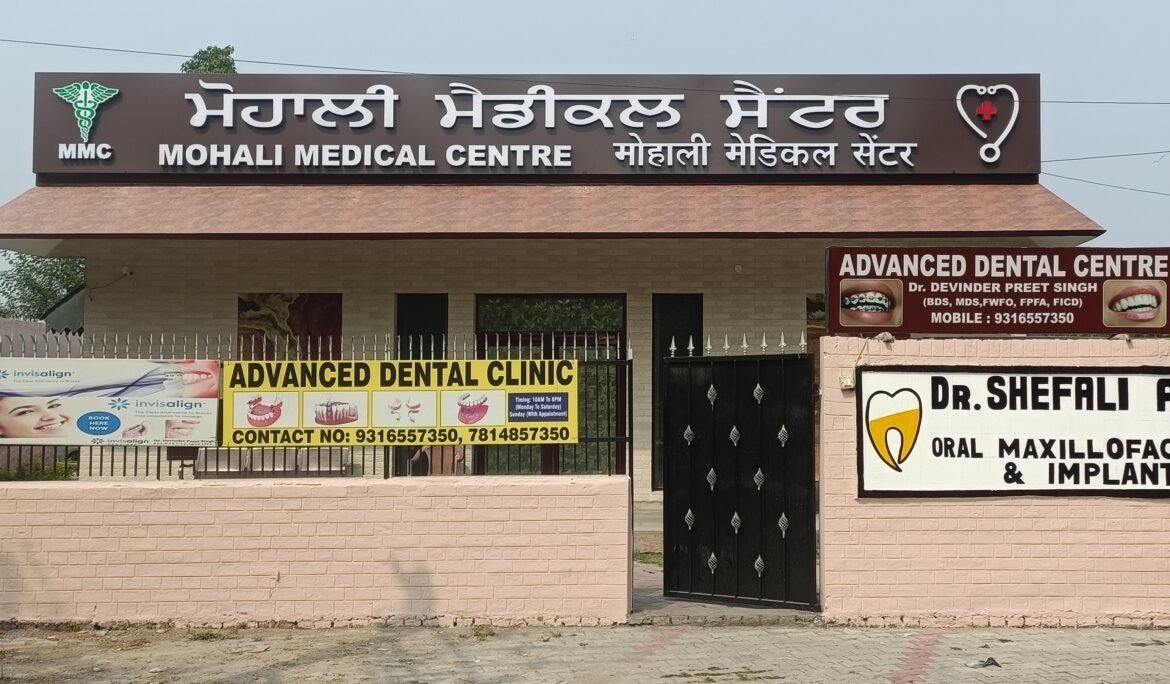
Patients can also explore general healthcare information through M Medical Centre as part of their broader healthcare research. For dental treatment, however, recommendations should come from an appropriately qualified dental professional who has examined the patient’s oral condition.