




A confident smile can make a significant difference in a person’s appearance and self-confidence. However, concerns such as uneven teeth, discolouration, chipped edges, gaps, and irregular tooth shapes may affect how someone feels about their smile. With advancements in modern dentistry, patients now have access to technology-assisted cosmetic treatment planning that helps dentists evaluate and design potential smile improvements.
Digital Smile Designing in Mohali is an approach that uses digital photographs, dental scans, and specialized software to assess a patient’s smile and plan suitable cosmetic dental procedures. It helps dentists understand the relationship between teeth, gums, lips, and facial proportions before starting treatment.
At Advanced Dental Center & Clinic, patients interested in cosmetic dentistry can explore suitable treatment options based on their dental condition, expectations, and oral health requirements. Understanding the procedure, benefits, and limitations of digital smile design can help patients make informed decisions.
What Is Digital Smile Designing?
Digital Smile Design, commonly known as DSD, is a technology-assisted approach to cosmetic dental treatment planning. It allows dentists to study a patient’s facial features, smile line, tooth proportions, and dental alignment using digital records.
The dentist may use photographs, videos, digital impressions, and dental imaging to evaluate the existing smile. Specialized software can then help create a visual representation of proposed changes.
For example, if a patient has uneven front teeth, gaps, or irregular tooth shapes, digital planning may help demonstrate how selected changes could influence the overall smile.
It is important to understand that digital smile design is primarily a planning and communication tool. It does not automatically perform treatment or guarantee that the final clinical result will look exactly like the digital preview.
Who May Benefit From Digital Smile Design?
Digital smile design may be useful for people considering cosmetic or restorative dental treatment. It can help patients understand possible changes before deciding on a treatment plan.
Some common concerns include:
1. Uneven or Irregular Teeth
Teeth that differ in length, shape, or position can affect smile symmetry. Digital planning may help evaluate the proportions of the front teeth and discuss suitable correction options.
2. Yellow or Discoloured Teeth
Patients concerned about stained or discoloured teeth may consider professional whitening or other cosmetic treatments. Digital photographs can help document the initial appearance and support treatment discussions.
3. Gaps Between Teeth
Small gaps between front teeth may sometimes be addressed through composite bonding, orthodontic treatment, or dental veneers. Digital planning can help visualize possible changes before treatment.
4. Chipped or Worn Teeth
Minor chips, uneven edges, and tooth wear can affect the appearance of a smile. Digital smile design may help assess the desired tooth shape and discuss appropriate restorative options.
5. Smile Asymmetry
Some people have uneven tooth visibility, irregular gum margins, or differences in tooth proportions. Digital assessment can help identify these features and support a more balanced treatment plan.
6. Patients Considering a Complete Smile Makeover
Patients planning multiple cosmetic procedures may benefit from coordinated treatment planning. Digital smile design can help communicate how different treatments may contribute to the overall appearance.
Digital Smile Designing Procedure: Step-by-Step
The digital smile designing process generally involves several stages. The exact workflow depends on the clinic’s equipment, software, and the complexity of the patient’s dental condition.
Step 1: Initial Dental Consultation
The process begins with a consultation where the dentist discusses the patient’s concerns, expectations, and desired smile appearance.
The dentist examines the teeth, gums, bite, and overall oral health. Previous dental treatments, existing restorations, tooth sensitivity, and relevant medical history may also be considered.
This stage is important because cosmetic treatment should not begin without evaluating underlying dental problems.
Step 2: Digital Photography and Smile Records
The dentist may take photographs of the patient’s face, smile, and teeth from different angles. In selected cases, short videos may also be recorded to understand how the smile appears during speech and facial movement.
These records help assess factors such as:
- Smile line and tooth visibility
- Front tooth proportions
- Lip position and movement
- Gum display
- Tooth alignment and symmetry
- Relationship between teeth and facial features
Accurate records provide useful information for the planning process.
Step 3: Digital Dental Scanning
Depending on the available technology and treatment requirements, an intraoral scanner may be used to capture digital impressions of the teeth.
A digital scan creates a three-dimensional representation of the dental structures. It may help the dentist examine tooth positions, spacing, and the relationship between different surfaces.
Digital scans can be useful when planning restorations such as crowns, veneers, and other cosmetic dental procedures. However, not every smile design case requires a digital intraoral scan.
Step 4: Smile Analysis and Digital Planning
The dentist evaluates the collected records and uses appropriate software to study tooth shape, proportions, alignment, and smile appearance.
Proposed changes may include adjusting the appearance of tooth length, width, contours, or symmetry. The dentist considers the patient’s facial characteristics and clinical requirements when discussing these possibilities.
The aim is to develop a realistic plan that complements the patient’s natural appearance rather than creating an artificial-looking smile.
Step 5: Digital Smile Preview
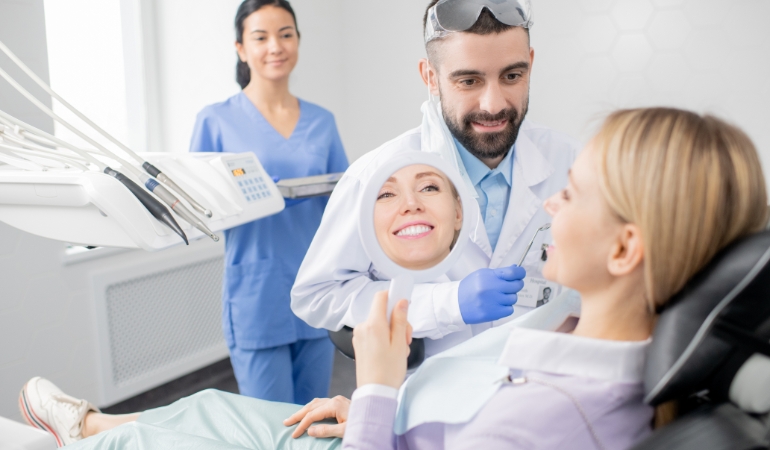
In some cases, the dentist may show the patient a digital simulation of the proposed smile.
This preview can help patients understand the planned changes and communicate their preferences. It may also make discussions about tooth shape, colour, and overall appearance easier.
However, a digital preview is an illustration, not a guarantee of the final result. Clinical limitations, gum conditions, bite forces, available tooth structure, and treatment response can influence the outcome.
Step 6: Treatment Planning and Approval
After reviewing the proposed design, the dentist explains the available treatment options, their benefits, limitations, costs, and expected timelines.
Depending on the patient’s needs, the plan may include professional teeth whitening, composite bonding, dental veneers, orthodontic treatment, crowns, or gum procedures.
Treatment should begin only after the patient understands the proposed procedures and agrees to the plan.
Step 7: Actual Dental Treatment
Once planning is complete and oral health requirements have been addressed, the selected procedures can begin.
Some patients may need only one conservative cosmetic treatment, while others may require multiple appointments. The dentist monitors the process and checks the fit, appearance, comfort, and bite of restorations where applicable.
Benefits of Digital Smile Designing
Digital smile design offers several advantages when used appropriately as part of cosmetic dental treatment planning.
1. Better Understanding of Proposed Treatment
Patients sometimes find it difficult to imagine how their teeth might look after cosmetic treatment. A digital preview can make the proposed changes easier to understand.
2. Improved Communication Between Dentist and Patient
Digital photographs and visual simulations provide a common reference for discussing expectations. Patients can explain their preferences, while dentists can clarify what is clinically achievable.
3. Personalized Smile Planning
Every person has different facial features, tooth proportions, and smile characteristics. Digital planning helps organize treatment around the individual’s appearance and dental requirements.
4. Better Coordination of Multiple Procedures
When a patient requires several cosmetic or restorative procedures, digital records may help the dental team coordinate the proposed changes.
For example, a patient may need orthodontic treatment before veneers or may require gum treatment before cosmetic restoration. Planning helps identify the appropriate sequence.
5. Supports Informed Decision-Making
Patients can discuss different treatment options before committing to a procedure. This can help them understand the expected changes, limitations, and maintenance requirements.
6. Useful Documentation
Digital photographs and scans can provide records of the initial dental condition. These records may help monitor treatment progress and support communication during follow-up appointments.
Dental Treatments That May Be Planned Using Digital Smile Design
Digital smile design is not a treatment by itself. It may support planning for several cosmetic and restorative procedures.
Professional Teeth Whitening
Professional whitening may improve certain types of tooth discolouration. It is generally considered when natural teeth are healthy and the main concern is staining or yellowing.
Dental Veneers
Veneers are thin restorations placed on the front surfaces of selected teeth. They may improve certain concerns involving colour, shape, minor gaps, and surface irregularities.
The dentist must evaluate enamel condition, bite alignment, and gum health before recommending veneers.
Composite Bonding
Composite bonding uses tooth-coloured resin to repair minor chips, close selected gaps, and reshape uneven tooth edges. It may be a conservative option in suitable cases.
Dental Crowns
Crowns cover and protect teeth that are significantly damaged or weakened. They may also contribute to aesthetic improvements when clinically appropriate.
Orthodontic Treatment
Braces or clear aligners may help correct crowding, spacing, and selected bite problems. Orthodontic treatment may be recommended before cosmetic restorations when tooth positioning needs improvement.
Gum Contouring
In selected cases, gum contouring may help improve uneven gum margins. The dentist must first evaluate gum health and determine whether the appearance is caused by excess gum tissue or another condition.
Limitations of Digital Smile Designing
Although digital smile design can improve treatment communication and planning, it has certain limitations that patients should understand.
1. A Digital Preview Is Not the Final Result
A computer-generated image cannot reproduce every clinical factor. Actual results depend on tooth structure, gum health, treatment technique, healing, materials, and individual anatomy.
2. It Cannot Replace a Dental Examination
Digital photographs alone cannot identify every dental problem. Clinical examination and appropriate diagnostic investigations may be necessary to evaluate cavities, infections, bone support, and gum disease.
3. Not Every Patient Is Suitable for Cosmetic Treatment
Patients with active gum disease, extensive decay, or certain bite problems may need preliminary treatment before cosmetic procedures can be considered.
4. Additional Costs May Apply
Some clinics may charge separately for digital planning, photography, scans, or other diagnostic services. Patients should clarify what is included in the consultation and treatment estimate.
5. It Does Not Guarantee Faster Treatment
Digital planning may improve communication, but it does not eliminate the time required for orthodontics, implant healing, gum treatment, or complex restorations.
6. Results Depend on Clinical Expertise
Software can support planning, but professional assessment and execution remain essential. A digital design should always be adapted to the patient’s actual oral condition.
How Much Does Digital Smile Designing Cost in Mohali?
The cost of digital smile designing in Mohali depends on the services included in the consultation and the technology used by the dental clinic.
Some clinics may include basic smile analysis as part of a cosmetic consultation, while others may charge separately for digital photographs, intraoral scans, or detailed treatment simulations.
The overall cost of treatment will depend on the procedures recommended. Teeth whitening, composite bonding, veneers, crowns, and orthodontic treatment have different costs and timelines.
Patients should request a clear estimate that separates planning charges from the cost of actual dental procedures. It is also helpful to understand whether follow-up visits, temporary restorations, and maintenance are included.
How to Choose the Right Dental Clinic for Digital Smile Design in Mohali
Choosing the right dental clinic is an important step when considering cosmetic dentistry. Patients should look for a clinic that offers a detailed examination, transparent treatment recommendations, and clear explanations of the available options.
Before proceeding, ask the dentist about their experience with the proposed procedures, the technology used, possible alternatives, and the limitations of digital previews.
Avoid selecting treatment based only on attractive before-and-after photographs or promises of guaranteed results. A suitable smile design should be based on clinical findings and individual requirements.
Advanced Dental Center & Clinic, located at 52, Gian Jyoti Road, Phase 2, Sector 54, Sahibzada Ajit Singh Nagar, Mohali, Punjab 160055, is a dental care option for patients looking to discuss cosmetic and restorative dental treatment.
For additional general healthcare information, patients can also explore M Medical Centre. For specific dental concerns, consultation with a qualified dental professional is essential.
Frequently Asked Questions About Digital Smile Designing
Is Digital Smile Design suitable for everyone?
It may be useful for many patients considering cosmetic dental procedures. However, suitability depends on oral health, treatment requirements, and the availability of appropriate diagnostic technology.
Does Digital Smile Design involve painful procedures?
The digital planning stage generally involves photographs, scans, and examination. These steps are usually non-invasive. Any discomfort depends on the actual dental procedures performed afterward.
Can I see my smile before getting veneers?
In selected cases, digital simulations or physical mock-ups may help demonstrate proposed changes before veneer treatment. The dentist will explain which preview method is available and its limitations.
How long does Digital Smile Designing take?
The initial planning process may be completed during one or more appointments, depending on the records and assessment required. The actual dental treatment may take considerably longer.
Is Digital Smile Design better than traditional smile planning?
Digital tools can make visual communication and documentation easier. However, both digital and conventional planning rely on clinical examination and professional judgment. The best approach depends on the case.