Visiting a dentist for the first time can feel uncertain, especially if you have not had a dental check-up for a long time. Many people delay dental appointments until they experience tooth pain, sensitivity, bleeding gums, or another noticeable problem. However, regular dental check-ups are important even when your teeth feel completely healthy.
A routine dental examination allows a dentist to identify potential problems at an early stage and recommend appropriate preventive or restorative care. If you are looking for a dental check-up in Mohali, knowing what happens during your first visit can make the experience more comfortable and help you prepare for your appointment.
Why Is a Regular Dental Check-Up Important?
A dental check-up is more than simply checking for cavities. During an examination, a dentist evaluates your teeth, gums, bite, and overall oral health. Depending on your symptoms and dental history, additional examinations or X-rays may also be recommended.
Some dental problems may develop without causing noticeable pain in their early stages. Regular visits can help identify issues such as tooth decay, gum disease, damaged fillings, enamel wear, infections, and other oral health concerns before they become more complicated.
Preventive dental care can also help you understand how to improve your daily brushing, flossing, and oral hygiene habits.
What Happens Before Your Dental Examination?
Your first dental visit usually begins with a discussion about your dental and general health history. The dental team may ask about previous dental treatments, current concerns, medications, allergies, and any symptoms you are experiencing.
You may also be asked about your oral hygiene routine, including how often you brush and floss your teeth.
If you have a specific concern, such as tooth pain, sensitivity, bleeding gums, or a broken tooth, tell your dentist clearly. This information can help the dentist focus the examination on the areas that require attention.
Step 1: Examination of Your Teeth
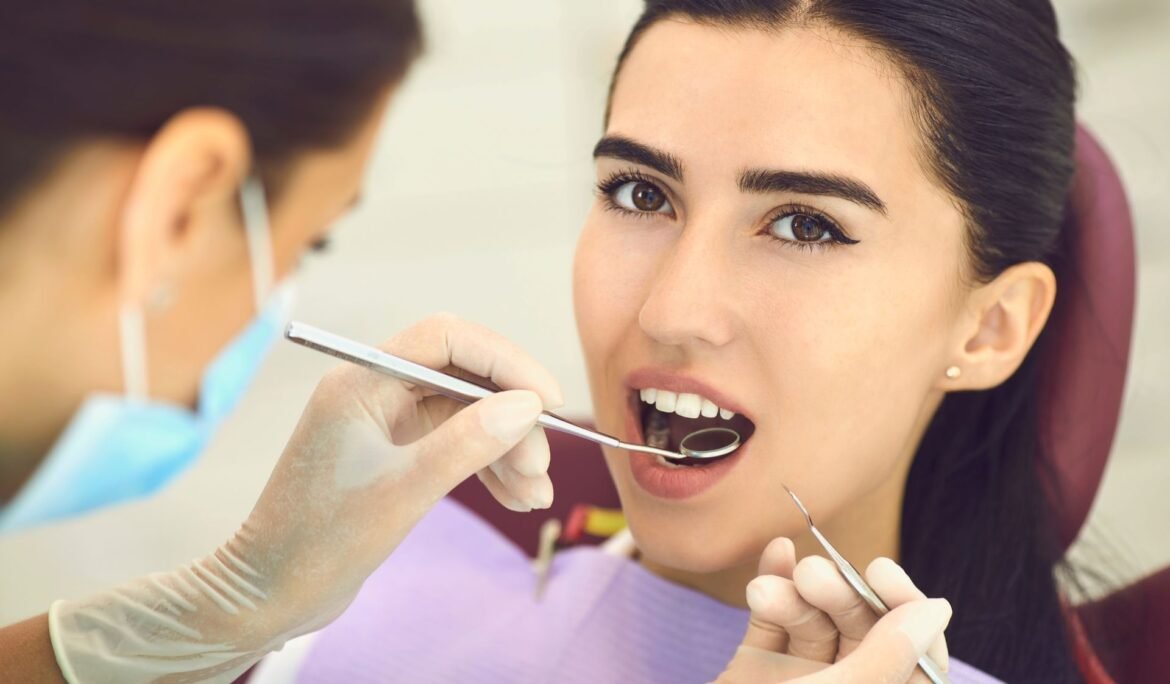
The dentist will carefully examine your teeth for signs of cavities, cracks, wear, discoloration, damaged fillings, or other abnormalities.
Even if you do not have tooth pain, small cavities can sometimes develop without obvious symptoms. Identifying them early may allow for simpler treatment.
The dentist may also examine existing crowns, bridges, fillings, or other dental work to determine whether they remain healthy and functional.
Step 2: Checking Your Gums
Healthy gums are an important part of overall oral health. During your check-up, your dentist will examine the gums for signs of inflammation, swelling, redness, recession, or infection.
The dentist may also assess the tissues supporting your teeth for signs of periodontal disease.
Common symptoms of gum problems include:
- Bleeding while brushing
- Swollen or tender gums
- Persistent bad breath
- Gum recession
- Loose teeth
- Changes in the way your teeth fit together
Early-stage gum problems can often be managed more effectively with improved oral hygiene and professional dental care.
Step 3: Checking for Plaque and Tartar
Plaque is a sticky layer of bacteria that forms on the teeth. If it is not removed properly, it can harden into tartar or calculus.
Tartar cannot usually be removed effectively with regular brushing alone. Professional dental cleaning may be recommended to remove accumulated deposits.
If your dentist identifies significant plaque or tartar buildup, a professional cleaning may be performed during the same visit or scheduled separately depending on your individual needs.
Step 4: Dental X-Rays When Necessary
Not every patient needs X-rays at every dental appointment. Your dentist may recommend dental X-rays when they are clinically appropriate.
X-rays can help identify problems that may not be visible during a routine examination, including decay between teeth, problems around tooth roots, bone loss, impacted wisdom teeth, or other underlying conditions.
For example, if you are experiencing wisdom tooth pain, an X-ray can help the dentist understand the tooth’s position and determine whether it may be impacted.
Step 5: Checking Your Bite and Jaw
A comprehensive dental examination may also include an assessment of your bite.
Your dentist may check how your upper and lower teeth come together and look for signs of excessive tooth wear, clenching, or grinding.
If you experience jaw discomfort, clicking, headaches, or difficulty opening your mouth, mention these symptoms during your appointment. They may provide useful information about your oral and jaw health.
Step 6: Oral Cancer Screening
Depending on your age, risk factors, symptoms, and clinical examination, your dentist may examine the soft tissues of your mouth.
This can include the lips, cheeks, tongue, gums, palate, and other areas inside the mouth.
The purpose is to identify unusual changes such as persistent sores, lumps, swelling, or unusual patches that may require further evaluation.
A dental examination does not mean that every unusual area indicates a serious condition. However, persistent changes should be professionally assessed.
Step 7: Professional Teeth Cleaning
If your teeth have plaque, tartar, or surface deposits, your dentist may recommend professional teeth cleaning.
Professional cleaning can help remove deposits that are difficult to eliminate through regular brushing and flossing. It can also support healthier gums and help reduce the buildup that contributes to gum disease.
Some patients may require routine cleaning, while others with significant gum problems may need more advanced periodontal treatment.
Step 8: Discussing Your Dental Treatment Options
After completing the examination, your dentist will explain any findings and discuss appropriate treatment options.
Depending on your oral health, your dentist may recommend:
- Preventive dental care
- Teeth cleaning
- Dental fillings
- Root canal treatment
- Crowns or bridges
- Gum treatment
- Wisdom tooth removal
- Dental implants
- Cosmetic dentistry
- Orthodontic treatment
Not every patient needs treatment beyond a routine check-up. If your teeth and gums are healthy, the dentist may simply recommend continuing your current oral hygiene routine and returning for regular examinations.
What Should You Tell Your Dentist During Your First Visit?
Being open with your dentist can make your appointment more useful. Tell your dentist if you experience:
- Tooth sensitivity
- Toothache
- Bleeding gums
- Bad breath
- Jaw pain
- Teeth grinding
- Loose teeth
- Difficulty chewing
- Recurring mouth ulcers
- Wisdom tooth discomfort
You should also mention any previous dental treatments and relevant medical information that may affect your dental care.
How Often Should You Have a Dental Check-Up?
There is no single schedule that is appropriate for everyone. The frequency of dental visits depends on factors such as your oral health, gum condition, history of cavities, lifestyle, age, and risk of dental disease.
Some people may need more frequent visits, particularly if they have active gum disease or recurring dental problems.
Your dentist can recommend an appropriate follow-up schedule based on your individual needs.
How to Prepare for Your First Dental Visit
Preparing for a dental appointment is usually simple. Brush and floss as you normally would before visiting the clinic. Make a note of any dental symptoms or questions you want to discuss.
If you have previous dental records or X-rays, bringing them can sometimes be helpful, particularly if you are visiting a new dentist.
Most importantly, do not delay your appointment because you are worried about having dental problems. A dental check-up is designed to identify concerns and help you understand your treatment options.
Choosing a Dental Clinic in Mohali
When searching for a dental clinic in Mohali, consider factors such as the range of services offered, the experience of the dental team, hygiene standards, diagnostic facilities, and the clinic’s approach to preventive and personalized care.
A clinic offering comprehensive dental services can make it easier to receive appropriate treatment if a problem is identified during your examination.
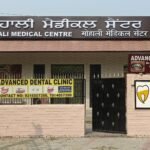
For patients searching for a dentist in Mohali or a dentist near me, Advanced Dental Center & Clinic provides comprehensive dental care for a range of preventive, restorative, and cosmetic dental needs.