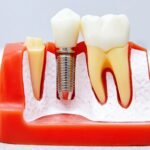










Tooth decay is one of the most common dental problems affecting children and adults. It often begins with small changes in the enamel but can gradually reach the deeper layers of a tooth if left untreated. A dental filling is a commonly used treatment to repair a tooth damaged by decay, restore its shape, and help it function normally.
Many people ignore early signs of cavities because they do not experience pain initially. However, delaying treatment can allow decay to spread and may eventually lead to more complex procedures, such as root canal treatment or dental crowns.
If you are looking for a dental filling in Mohali, understanding the available materials, treatment procedure, and cost factors can help you make an informed decision.
This guide explains the different types of dental fillings, how the procedure is performed, when a filling may be required, and what influences its overall cost.
What Is a Dental Filling?
A dental filling is a restorative dental treatment used to repair a tooth affected by cavities, minor fractures, or other forms of damage. During the procedure, the dentist removes the decayed or damaged portion of the tooth and fills the prepared space with a suitable restorative material.
The main purpose of a dental filling is to:
- Remove and restore the area damaged by tooth decay.
- Restore the tooth’s natural shape and function.
- Help protect the remaining tooth structure.
- Make chewing more comfortable.
- Reduce the risk of further damage from an untreated cavity.
The type of filling depends on the size and location of the cavity, the amount of remaining tooth structure, aesthetic requirements, and the patient’s dental needs.
What Are the Signs That You May Need a Dental Filling?
Not every cavity causes pain in its early stages. Some patients discover tooth decay during a routine dental examination. However, certain symptoms may indicate that a tooth needs professional evaluation.
1. Tooth Sensitivity
You may experience sensitivity when consuming hot, cold, or sweet foods and drinks. This can occur when decay affects the protective layers of the tooth.
2. Visible Holes or Dark Spots
Small holes, pits, or dark areas on the tooth surface may indicate dental decay. However, not every dark spot is a cavity, so a dentist should examine it.
3. Food Getting Stuck Between Teeth
If food repeatedly gets trapped in the same area, it may be due to a cavity, damaged filling, or changes in the tooth’s shape.
4. Toothache While Chewing
Discomfort or pain while biting may indicate decay, a crack, or another dental problem that requires examination.
5. Damaged or Loose Old Filling
Existing fillings can wear down, crack, or become damaged over time. A dentist may recommend repairing or replacing them if they no longer protect the tooth adequately.
If you notice any of these symptoms, schedule a dental check-up rather than waiting for the pain to become severe.
Types of Dental Fillings Available
Different filling materials are used depending on the patient’s requirements. Each material has specific advantages, limitations, and suitable applications.
1. Composite Resin Filling
Composite fillings are tooth-coloured restorations made from resin reinforced with fine glass or other filler particles. Their colour can be selected to closely match the surrounding natural teeth.
They are commonly used for front and back teeth, depending on the size and location of the cavity.
Benefits of composite fillings:
- Natural-looking tooth colour.
- Suitable for many visible areas of the mouth.
- Bond to the tooth using an adhesive system.
- Can help preserve healthy tooth structure.
- Usually completed in one appointment.
Limitations:
- May stain or discolour over time.
- Placement requires good moisture control.
- Large restorations may be more vulnerable to wear or fracture.
- May cost more than some other filling materials.
Composite fillings are often considered when appearance is important, but the dentist must assess whether the material can withstand the chewing forces in the affected area.
2. Glass Ionomer Cement (GIC) Filling
Glass ionomer cement is a tooth-coloured restorative material made using glass powder and an acidic polymer component. One of its characteristics is the ability to release fluoride over time.
It may be used in selected small cavities, areas near the gumline, certain root-surface lesions, and some paediatric dental applications.
Benefits of GIC fillings:
- Tooth-coloured appearance.
- Fluoride release.
- Can bond chemically to tooth structure.
- Useful in selected areas where moisture control is challenging.
Limitations:
- Generally less resistant to heavy chewing forces than composite.
- May wear down more quickly in high-stress areas.
- Not suitable for every large cavity.
The dentist selects GIC when its properties are appropriate for the location and function of the tooth.
3. Amalgam Filling
Amalgam is a silver-coloured dental restorative material made from a combination of metals, including mercury, silver, tin, and copper.
It has historically been used for restoring cavities in back teeth because of its strength and resistance to chewing forces.
However, the use of dental amalgam has declined in many places as tooth-coloured alternatives have become more widely available. Its use is also subject to applicable regulations and clinical considerations.
Benefits:
- Strong and wear-resistant.
- Historically used for posterior teeth.
- Can be suitable for certain restorations.
Limitations:
- Silver appearance does not match natural teeth.
- Requires consideration of mercury-related guidance and applicable regulations.
- May require removal of more tooth structure for certain preparations.
Patients should discuss the available materials and their suitability with their dentist.
4. Ceramic or Porcelain Restorations
When a tooth has more extensive damage than a conventional filling can reliably repair, an indirect restoration such as a ceramic inlay or onlay may be recommended.
These restorations are custom-made to fit the prepared tooth and are generally fabricated outside the mouth before being bonded or cemented into position.
Benefits:
- Natural-looking appearance.
- Customised fit and shape.
- Useful for selected teeth with moderate structural damage.
- Can restore chewing surfaces while preserving more tooth structure than some full-coverage restorations.
Limitations:
- Usually more expensive than a direct filling.
- May require laboratory fabrication or digital production.
- Can involve more than one appointment, depending on the workflow.
5. Gold Restorations
Gold alloys have been used in dentistry for many years because of their durability and ability to withstand chewing forces.
Gold inlays and onlays are custom-made restorations that may be suitable for selected damaged teeth.
Their main limitation is appearance and cost. They are not commonly selected when patients prefer a natural tooth-coloured restoration.
How Is a Dental Filling Procedure Performed?
A dental filling is generally a straightforward restorative procedure. The exact steps depend on the extent of decay and the material being used.
Step 1: Dental Examination
The dentist examines the affected tooth and checks for visible cavities, cracks, damaged restorations, and signs of infection.
Dental X-rays may be recommended when decay between teeth or beneath an existing restoration is suspected.
Step 2: Local Anaesthesia
If required, local anaesthesia is administered to numb the affected area. This helps reduce discomfort during the procedure.
For very small restorations, anaesthesia requirements may vary depending on the patient’s condition and the dentist’s assessment.
Step 3: Removal of Decayed Tooth Structure
The dentist removes the infected or damaged tooth structure using appropriate dental instruments.
The aim is to remove the affected tissue while preserving as much healthy tooth structure as possible.
Step 4: Cleaning and Preparation
The prepared cavity is cleaned to remove debris. Depending on the restorative material, the dentist may apply a bonding agent or other preparation materials.
For composite fillings, an adhesive system helps the restoration bond to the tooth.
Step 5: Placement of Filling Material
The selected filling material is placed into the prepared cavity.
Composite resin is commonly applied in layers and hardened using a special curing light. Other materials follow their respective placement and setting procedures.
Step 6: Shaping and Polishing
Once the filling is placed, the dentist shapes it to restore the tooth’s natural contours and chewing surface.
The restoration is then polished to provide a smooth finish.
Step 7: Bite Adjustment
Finally, the dentist checks how the upper and lower teeth meet when you bite.
If the filling is too high, adjustments may be required to make the bite comfortable.
How Much Does Dental Filling Cost in Mohali?
The cost of a dental filling in Mohali can vary from one patient to another. There is no single price for every filling because the treatment depends on the material used, the size of the cavity, and the complexity of the restoration.
Patients should request an examination-based estimate before starting treatment.
Important Factors That Affect Dental Filling Cost
1. Type of Filling Material
The material selected is one of the main factors affecting the overall cost.
Composite fillings, GIC restorations, and indirect ceramic or gold restorations have different material and laboratory requirements.
2. Size and Depth of the Cavity
A small cavity may require a relatively simple restoration. A larger cavity involving several surfaces of a tooth may require more material and additional clinical work.
If decay has reached the pulp, a conventional filling may not be sufficient.
3. Location of the Tooth
Front teeth often require greater attention to shade matching and appearance. Back teeth experience stronger chewing forces, so the dentist must consider the material’s strength and suitability.
Both factors can influence the choice of restoration and treatment cost.
4. Number of Teeth Requiring Treatment
Patients with multiple cavities may need several fillings. The total cost depends on the number of affected teeth and the complexity of each restoration.
5. Need for Dental X-Rays
Additional diagnostic imaging may be recommended to identify hidden decay or assess the condition of a tooth before treatment.
6. Replacement of an Old Filling
If an existing filling is cracked, worn, or affected by recurrent decay, it may need to be removed and replaced. The complexity of the replacement can influence the cost.
7. Additional Dental Treatment
If decay has progressed significantly, the patient may require additional treatment, such as root canal therapy or a crown, rather than a simple filling.
The dentist should explain why a more extensive procedure is necessary before treatment begins.
Dental Filling vs Root Canal Treatment: What Is the Difference?
Patients sometimes confuse dental fillings with root canal treatment. Both procedures can help treat damaged teeth, but they are used in different situations.
| Feature | Dental Filling | Root Canal Treatment |
|---|---|---|
| Main purpose | Restores a cavity or minor tooth damage | Treats an infected or irreversibly inflamed pulp |
| Tooth condition | Pulp is generally healthy or can be protected | Pulp requires treatment |
| Procedure | Removes decay and fills the prepared area | Removes affected pulp, cleans and seals the root canals |
| Restoration | Filling may be sufficient | A filling or crown may be needed afterward |
| Treatment complexity | Generally simpler | More involved |
A filling may be sufficient when decay has not caused irreversible damage to the pulp. If the pulp is affected, the dentist may recommend root canal treatment.
A dental examination is necessary to determine the correct treatment.
How Long Does a Dental Filling Last?
The lifespan of a dental filling depends on several factors, including the material, size of the restoration, location of the tooth, chewing forces, and oral hygiene.
Some fillings may last for many years, while others may need repair or replacement earlier.
To help maintain your filling:
- Brush twice daily using fluoride toothpaste.
- Clean between your teeth regularly.
- Limit frequent sugary snacks and drinks.
- Avoid biting hard objects such as ice or pens.
- Attend routine dental check-ups.
- Get damaged or loose fillings examined promptly.
If you experience pain, sensitivity, or food trapping around an existing filling, consult your dentist.
Can You Eat Immediately After a Dental Filling?
Eating instructions depend on the filling material and whether local anaesthesia was used.
Composite fillings are hardened with a curing light during placement, so they are generally set when the procedure is completed. However, if your mouth is still numb, avoid chewing until normal sensation returns to reduce the risk of accidentally biting your cheek or tongue.
After some other restorative materials, the dentist may provide specific instructions about eating and chewing.
It is also sensible to avoid very hard foods if the tooth feels tender immediately after treatment.
Why Choose Professional Dental Care for Fillings in Mohali?
Choosing the correct filling material is important for restoring the tooth while maintaining its natural structure and function. A professional dental examination helps identify the extent of decay and determine whether a filling, inlay, onlay, or another treatment is more appropriate.
At Advanced Dental Center & Clinic, located at 52, Gian Jyoti Road, Phase 2, Sector 54, Sahibzada Ajit Singh Nagar, Mohali, patients can seek dental evaluation for cavities and other restorative dental concerns.
Before proceeding with treatment, patients should discuss the available materials, expected procedure, limitations, estimated cost, and aftercare instructions with the dental professional.
For additional healthcare information and resources, you can also visit M Medical Centre.
Frequently Asked Questions About Dental Fillings
1. Is getting a dental filling painful?
Dental fillings are generally performed under local anaesthesia when needed. Patients may experience some pressure or vibration during the procedure, but the aim is to keep treatment comfortable. Mild sensitivity may occur afterward.
2. How long does a dental filling procedure take?
The time depends on the size of the cavity, the number of teeth being treated, and the material selected. Many direct fillings can be completed in a single appointment.
3. Which dental filling is best for front teeth?
Composite resin is commonly used for front teeth because it can be matched to the natural tooth colour. However, the dentist will consider the size and location of the cavity before recommending it.
4. Can a dental filling repair a very large cavity?
Not always. If a large portion of the tooth is damaged, an inlay, onlay, or crown may provide more appropriate support. The decision depends on the remaining tooth structure.
5. Can an old dental filling be replaced?
Yes. A filling may be replaced if it is damaged, worn, loose, or affected by recurrent decay. The dentist first examines the tooth to determine whether replacement is necessary.
6. Do all cavities require dental fillings?
Not necessarily. Very early enamel changes may sometimes be managed with preventive care and monitoring. Cavities that have caused permanent structural damage generally require restorative treatment.
7. Can I brush my teeth after getting a filling?
Yes. You can generally continue brushing your teeth, including the treated area, using a soft-bristled toothbrush. Follow any specific instructions provided by your dentist.