Tooth pain can be difficult to ignore, especially when it becomes persistent or starts affecting your ability to eat, sleep, or carry out daily activities. While occasional sensitivity may have a simple cause, ongoing pain, swelling, or discomfort can sometimes indicate a deeper problem inside the tooth. One of the treatments used for an infected or inflamed dental pulp is Root Canal Treatment (RCT).
If you are searching for Root Canal Treatment in Mohali, understanding the warning signs can help you know when it is time to consult a dentist. Early professional evaluation may help determine whether the tooth can be treated and preserved.
What Is Root Canal Treatment?
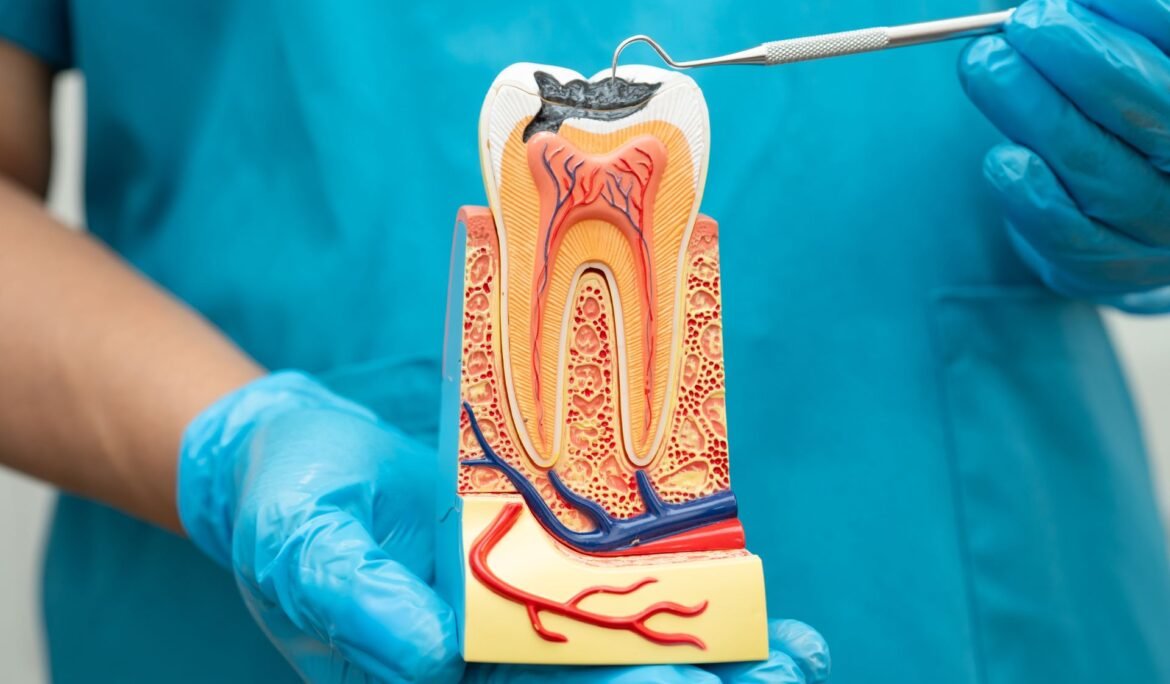
Root Canal Treatment is a dental procedure used to treat problems affecting the soft tissue, or pulp, inside a tooth. The pulp contains nerves and blood vessels. When it becomes inflamed or infected due to deep decay, cracks, trauma, or other causes, treatment may be required.
During an RCT, the dentist removes the affected pulp, cleans and disinfects the inside of the tooth, and then fills and seals the root canal space. In some cases, the tooth may subsequently require a crown or another restoration to provide additional protection.
The purpose of RCT is to address the problem inside the tooth while allowing the natural tooth to remain in place.
1. Persistent or Severe Toothache
One of the most common reasons people seek Root Canal Treatment in Mohali is persistent tooth pain. Pain may occur spontaneously or become worse when eating or applying pressure to the affected tooth.
A toothache does not automatically mean that you need an RCT. Tooth pain can have several causes, including cavities, cracked teeth, gum problems, sensitivity, or other dental conditions. A professional dental examination is therefore important to identify the underlying cause.
If tooth pain continues or repeatedly returns, scheduling a dental consultation is advisable rather than relying only on temporary pain relief.
2. Prolonged Sensitivity to Hot or Cold
Sensitivity to hot or cold foods and drinks can sometimes be a sign of a dental problem. If the sensitivity disappears quickly after the food or drink is removed, it may have a relatively simple cause. However, prolonged or intense sensitivity may require further evaluation.
Deep tooth decay or inflammation of the pulp can sometimes cause significant temperature sensitivity. A dentist can examine the affected tooth and determine whether RCT or another treatment is appropriate.
3. Pain While Chewing or Biting
Do you experience pain when chewing food or biting down? This symptom should not be ignored, particularly if it continues for several days.
Pain when biting can be associated with inflammation around the tooth, deep decay, a crack, or an infection. It may also have other causes unrelated to the dental pulp.
If chewing becomes uncomfortable, a Dentist in Mohali can assess the tooth and recommend appropriate diagnostic tests and treatment.
4. Swelling Around the Tooth or Gums
Swelling around a particular tooth can sometimes indicate an infection. You may notice swelling in the gums near the affected tooth, facial swelling, or tenderness in the surrounding area.
Dental infections should be evaluated promptly by a dental professional. Depending on the cause and severity, treatment may involve root canal therapy, drainage, medication, extraction, or another procedure.
If swelling is accompanied by fever, difficulty breathing, difficulty swallowing, or rapidly increasing facial swelling, urgent medical or dental attention is important.
5. A Pimple or Abscess on the Gums
A small pimple-like bump on the gums near a tooth may sometimes be associated with a dental abscess. It can occasionally drain and temporarily reduce pressure or discomfort, but that does not necessarily mean that the underlying problem has disappeared.
An abscess related to an infected tooth requires professional assessment. If the tooth can be appropriately restored, Root Canal Treatment may be considered to address the infection inside the tooth.
6. Darkening or Discolouration of a Tooth
A tooth that becomes noticeably darker or grey compared with neighbouring teeth may require dental evaluation. Discolouration can occur for several reasons, including previous trauma or changes within the tooth.
A discoloured tooth does not automatically require RCT, but a dentist can assess its condition and determine whether the dental pulp has been affected.
Early examination can help identify the cause and determine whether treatment is necessary.
7. Deep Tooth Decay
Untreated cavities can gradually become deeper. When decay progresses toward the inner part of the tooth, the dental pulp may become inflamed or infected.
In the early stages, a filling may sometimes be sufficient. However, when the pulp becomes significantly affected, root canal treatment may be recommended.
This is one reason why regular dental check-ups are important. Detecting cavities early can sometimes allow simpler treatment before the problem progresses.
8. A Cracked or Broken Tooth
A cracked or fractured tooth can allow bacteria to reach deeper parts of the tooth. Depending on the location and severity of the crack, treatment may range from restoration to root canal therapy and crown placement.
Not every cracked tooth can be saved, and the treatment depends on factors such as the location and extent of the fracture.
If you have recently damaged a tooth and are experiencing pain, sensitivity, or swelling, visit a Dental Clinic in Mohali for professional evaluation.
How Does a Dentist Determine Whether You Need RCT?
Symptoms alone cannot confirm that a patient needs root canal treatment. A dentist will generally evaluate the tooth, discuss your symptoms, examine the surrounding tissues, and may recommend dental imaging when necessary.
The dentist may assess:
- The location and severity of pain
- Sensitivity to temperature
- Pain during biting or chewing
- Signs of swelling or infection
- Tooth decay or damage
- Previous dental treatment
- Condition of the surrounding tissues
Based on the examination, the dentist can explain whether root canal treatment, a filling, a crown, extraction, or another treatment may be appropriate.
What Happens During Root Canal Treatment?
The exact process varies depending on the tooth and individual circumstances. Generally, the dentist first numbs the area using local anaesthesia. An opening is then made in the tooth to access the affected pulp.
The infected or inflamed tissue is removed, and the root canal system is cleaned and prepared. The space is subsequently filled and sealed to help prevent further bacterial contamination.
After RCT, the tooth may require a permanent restoration such as a crown, particularly when substantial tooth structure has been lost. Your dentist will explain the appropriate restoration based on the condition of the tooth.
Is Root Canal Treatment Painful?
Many patients are concerned about pain associated with RCT. Modern dental techniques and local anaesthesia are used to make the procedure more comfortable.
Some tenderness or discomfort can occur after treatment, particularly as the tissues around the tooth recover. The experience varies between individuals and depends on the condition of the tooth and the complexity of treatment.
Discuss any concerns about pain or anxiety with your dentist before treatment so appropriate measures can be considered.
Why You Shouldn’t Ignore Dental Pain
A common mistake is waiting for tooth pain to disappear on its own. While symptoms can sometimes temporarily improve, this does not necessarily mean that the underlying dental problem has resolved.
Delaying assessment of a potentially infected tooth may allow the condition to progress. Professional diagnosis can help determine the cause of symptoms and identify appropriate treatment options.
Regular dental check-ups are also useful because some dental problems may not cause noticeable symptoms in their early stages.
Root Canal Treatment in Mohali
If you are experiencing persistent tooth pain, prolonged sensitivity, swelling, pain while chewing, or other concerning symptoms, consider consulting a dental professional rather than self-diagnosing the problem.
Advanced Dental Centre in Phase 2, Sector 54, Sahibzada Ajit Singh Nagar, Mohali, provides dental services including Root Canal Treatment, dental implants, crowns and bridges, scaling and polishing, braces, tooth-coloured fillings, extractions, and full-mouth rehabilitation. You can learn more about the available dental services through Mohali Medical Centre.